In 2024, the average UK smartphone user spends more than 2.5 hours a day on gaming apps—a 12 % increase from last year. This uptick shows that casual and narrative games are now the backbone of home‑entertainment budgets.
What Drives the Numbers?
Three main factors explain the rise. First, 70 % of UK households own a device that supports high‑definition touch controls, letting players download titles that rival console graphics. Second, the average download price is under £0.99, making entry cost negligible. Third, cross‑platform sync allows users to start a campaign on a phone, continue on a tablet, and finish on a laptop without losing progress.
Genres That Are Winning
While puzzle and trivia apps still dominate downloads, narrative‑driven role‑playing games (RPGs) and strategy titles have seen the largest revenue growth. A recent survey found that 38 % of players who spend more than £30 per month on mobile games cite story depth as the primary reason for their loyalty, compared with only 12 % of casual players.
Monetisation Models in Flux
The freemium model remains the most common, but subscription tiers are gaining traction. Three major studios now offer a 30‑day free trial followed by a £4.99 monthly fee that unlocks exclusive skins, early access to new levels, and ad‑free gameplay. For players who dislike in‑app purchases, a growing number of titles provide a one‑time download fee of £1.49, guaranteeing no microtransactions.
Hardware and Connectivity: The Backbone
5G rollout in London and Manchester has cut load times to under three seconds for 90 % of users. Combined with the latest Snapdragon 8 Gen 2 chips, even graphically intensive games run smoothly on mid‑range phones. However, players on older devices (pre‑2018 models) still report frame‑rate drops, especially in multiplayer modes.
From Mobile Games to Online Entertainment
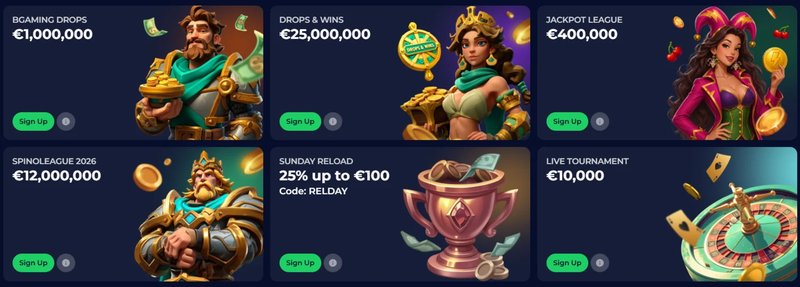
Many of the same companies that build mobile titles are now branching into online betting and casino software, offering integrated experiences that blend gaming with real‑time wagering. For example, a popular puzzle franchise has a dedicated slot‑machine spin‑off that mirrors its brand aesthetics and rewards structure. This trend reflects a broader convergence of digital entertainment, where a single app can host both casual play and regulated gambling. Ninewin Casino showcases how a mobile‑first approach can create a seamless bridge between gaming and casino entertainment.
Players can now test their luck at Ninewin Casino, a mobile‑first online casino that blends gaming and wagering.
Limitations Worth Noting
Not every user enjoys the same experience. Players with limited data plans may face throttling during large downloads, forcing them to wait until Wi‑Fi is available. Additionally, the freemium model can encourage spending: 22 % of UK users admitted to spending over £50 in a single month on in‑app purchases, often without realizing the cumulative cost.
Future Outlook
Industry analysts project that by 2026, mobile gaming will account for 48 % of the UK entertainment market share, up from 41 % in 2023. Key drivers include continued hardware improvements, the expansion of 5G coverage, and the rise of cloud gaming services that allow players to stream high‑end titles without needing the latest device.
Conclusion
Mobile gaming apps are no longer a niche pastime; they are a mainstream entertainment pillar. Their accessibility, evolving monetisation, and integration with broader digital ecosystems make them a formidable force. For anyone looking to understand where UK leisure spending is headed, the data points clearly: the next big thing is happening on the screen of your phone.
Frequently Asked Questions
How much time do UK smartphone users spend on gaming apps daily?
On average, UK users spend more than 2.5 hours a day on mobile gaming apps in 2024.
What percentage of UK households own a high‑definition touch device?
70% of UK households own a device that supports high‑definition touch controls.
Leave a Reply